Lofoten in Winter: A Conservative Northern Lights Travel Plan
Lofoten's winter photographs can make a road journey look effortless. The practical holiday involves weather, limited daylight, exposed routes and the distance between villages. Choose this region because you want its landscape and communities as well as a possible aurora. This guide does not provide a self-drive route into remote terrain, promise road conditions or recommend stopping at unverified roadside viewpoints. Use current local and transport guidance for every outing.
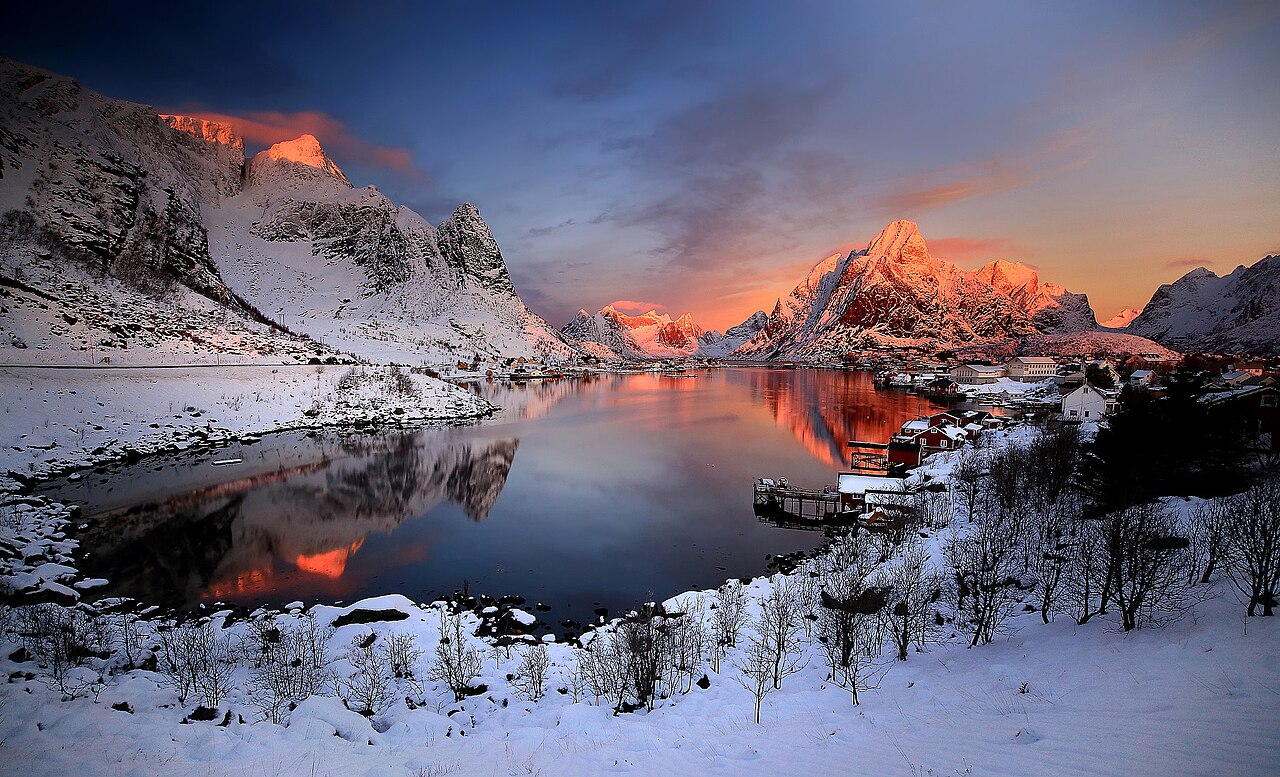
Photo: Russo Francesco F R P I X C O M · CC BY 3.0. Reference photograph: Reine At Sunrise (139429959).jpeg. It does not establish current access, weather, operations or a future event. Display may crop the original.
.jpeg)
Decide whether the journey suits the group
Discuss winter driving experience, tolerance for weather disruption and the desire to move between villages. A traveler who mainly wants an easy town-based aurora attempt may prefer a different base. If Lofoten is the goal, compare an organized stay or operator-led excursions with independent travel. The most dramatic photograph is not necessarily the most suitable holiday setting for every traveler, particularly on a very short trip.
Choose one practical winter base
Select the base after checking arrival transport, meals, accommodation access and the activities available on your dates. Avoid a new village every night simply to reproduce a photograph collection. One base reduces packing and gives more room to change a day's direction. Ask the lodging about winter arrival and local services rather than assuming summer restaurants and buses operate unchanged. Include the return to the arrival hub in the plan before booking a distant room.
Check current road and service information
Use official transport and local visitor sources for operating status, restrictions and weather-sensitive travel. A map's estimated driving time is not a winter promise. If you are not comfortable assessing the conditions, use an appropriate local operator or change the plan. Do not treat a larger rental vehicle as a substitute for experience. Avoid making a flight connection depend on the region's longest road transfer immediately beforehand.
Keep landscape outings within the light window
Choose a limited number of accessible visitor locations and verify the route with current local advice. Build the day around the available daylight and an early enough return, not around the number of map pins. Leave remote hiking and unfamiliar terrain out of a first winter visit. Snow can obscure surfaces and boundaries that are obvious in summer. A short, well-supported outing can deliver a better experience than a long itinerary completed mostly in darkness.
Treat aurora viewing as an additional layer
Ask the property or responsible operator about suitable permitted viewing arrangements and a reliable return. A scenic shore can involve cold, slippery ground and weather exposure; it is not automatically an appropriate night location. Do not stand in traffic areas or stop at an unsuitable road edge to photograph the sky. Respect residents, working harbors and access restrictions. The aurora attempt must fit the place's ordinary use, not displace it.
Build an indoor and local day
Research museums, cultural venues, cafés or other current indoor options that genuinely interest the group. Check opening times and transport rather than expecting a long list of activities in every small community. Keep a simple local walk only where conditions and access are appropriate. A weather day is easier when the accommodation itself is comfortable and meals are available. This is another reason to assess the full base rather than choosing only for a view.
Pack for repeated drying and waiting
Ask which clothing is supplied by activities and what your lodging offers for drying wet outerwear. Carry layers appropriate to the forecast and the time spent standing still. Keep spare dry items accessible on outings as advised by the operator. Camera gear should remain secondary to warm hands and stable footing. A beautiful evening is not worth losing control of the return journey because the group became too cold or tired.
Protect the route out
Allow a conservative transfer back to the departure point and consider a final night near the relevant hub where appropriate. Read cancellation and travel insurance terms without assuming all weather changes are covered. Keep provider contacts and a simpler alternative ready. A Lofoten holiday is successful when it delivers a considered winter experience; it need not imitate a fast summer circuit or produce a guaranteed aurora photograph.
Your working checklist
Checkmarks stay in this browser when storage is available. They do not submit information or complete a purchase.
Put it into practice
- Decide whether Lofoten’s winter logistics fit the group.
- Choose one base with confirmed meals and winter services.
- Compare organized transport with the actual independent-driving demands.
- Plan only a few suitable daylight outings.
- Arrange permitted aurora viewing without roadside improvisation.
- Retain a comfortable indoor or local weather day.
- Build a conservative return to the departure hub.
Before you finish
- Summer drive times are not used as winter guarantees.
- Night photography does not require unsafe roadside stops.
- Meals and indoor options operate on the intended dates.
- The final flight is protected from a long fragile transfer.
Common questions
Can I copy a summer Lofoten road trip in winter?
Do not assume the same pace or access works. Daylight, road conditions and services can differ substantially. Rebuild the plan around current winter information and fewer essential moves.
Does renting a larger car solve winter driving?
No vehicle removes the need for suitable experience and current condition assessment. Compare a local operator or a simpler route if independent winter driving is not appropriate for you.
Are scenic beaches good aurora spots?
A scenic photograph does not establish suitable night access. Check local advice, permitted areas, ground conditions and the return. Do not approach water or exposed terrain merely to match an image.
Should I change hotels every night?
Usually that adds work and reduces flexibility on a short winter trip. One practical base can support a more adaptable holiday. Add a second only when the transport and available nights clearly justify it.