Polar Night and Short Days: Plan Daytime Activities Realistically
Polar night and short winter days are often described as if the whole Nordic region shares one continuous darkness experience. It does not. Latitude, date and local conditions matter, and twilight can still shape the landscape. Build the plan around the actual destination and activities rather than a dramatic label. This guide is an original scheduling framework, not a future daylight table or a promise of particular colors in the sky.
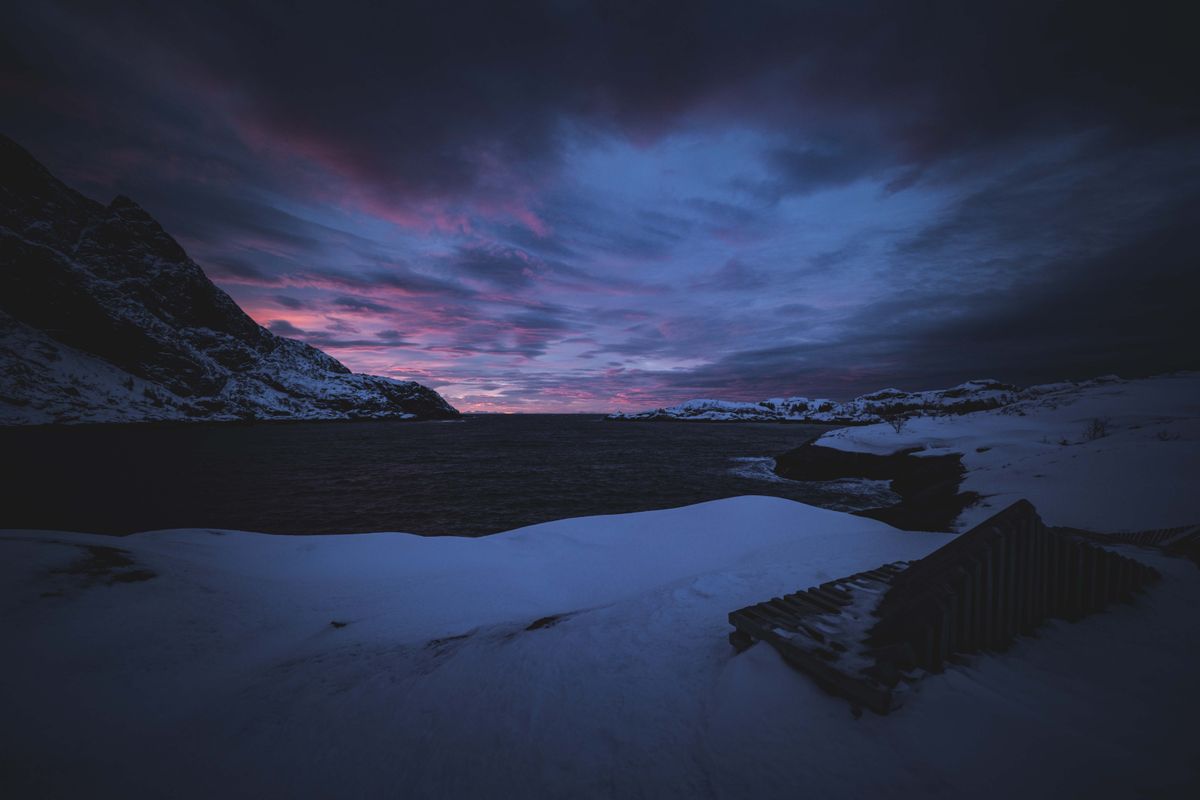
Photo: Pexels · Pexels License. Illustrative photograph of the subject; not a tested result, current condition report or endorsement. Display may crop the original.
Check the place and date precisely
Look up the actual destination's daylight information for the travel dates and understand what the source means by sunrise, sunset and twilight. Do not apply a figure from one Nordic town to another. A general article about polar night may explain the concept without providing your usable activity window. Write the relevant time reference beside the day's outdoor plan, then verify important provider meeting times separately.
Put the outdoor priority in the useful light
Choose one main landscape or managed outdoor experience for the part of the day that best supports it. Include the transfer and preparation rather than assigning only the activity duration. A distant outing can consume much of the short light window in a vehicle. Compare a closer option if the main purpose is actually seeing the landscape. Do not assume every road or trail experience is equivalent after dark.
Use twilight as a different experience
A winter scene can be appealing without direct sun, but avoid guaranteeing a particular blue, pink or golden effect. Weather and visibility vary. Choose a suitable managed place and appropriate clothing, then let the actual conditions shape the experience. Photography should not require extending a route into unfamiliar terrain. A short local walk can be worthwhile when it has a clear return and the group remains comfortable.
Give indoor culture a real role
Research museums, exhibitions, local food interests or another current indoor activity that you genuinely want. Check winter opening days and transport. Do not reserve all indoor options only as disappointment substitutes; they can be the main purpose of a short-day holiday. A cultural visit also helps explain the region beyond its scenery. Keep the visit focused enough that the group retains energy for any evening outing.
Keep meals and preparation visible
Short daylight can tempt travelers to skip lunch and then rush directly into an aurora departure. Instead, place a practical meal and clothing-change period in the schedule. Dry daytime items where appropriate and charge devices before the meeting time. Confirm restaurant or lodging meal hours on your dates. A useful evening attempt begins with ordinary needs met rather than relying on a promised snack to replace the whole day's food.
Protect a repeatable sleep pattern
Late aurora outings and early daytime departures can accumulate fatigue quickly. Keep the following morning flexible and decide which evenings are optional. The availability of darkness does not oblige the group to remain awake for all of it. Choose a rhythm that can be repeated comfortably through the stay. If one special late outing matters, reduce the next day's demands instead of expecting normal energy without normal rest.
Avoid unfamiliar independent winter routes
A short light window can make navigation and surface assessment harder. Use current local guidance and appropriate managed activities, particularly where terrain, snow or ice is unfamiliar. Do not copy a summer hike or treat footprints as proof of a suitable route. Ask the provider about the actual outdoor requirements. A planned return within the group's ability matters more than reaching a viewpoint before a predicted color change.
Build a balanced sample day
An illustrative day might include a later breakfast, one managed outdoor period around the available light, a meal and rest, and an optional evening viewing attempt. Change the order to fit the destination and provider schedule. Keep a fully indoor version for weather changes. The success of a short-day trip comes from choosing meaningful periods, not from pretending the calendar has the same capacity as a long summer day.
Your working checklist
Checkmarks stay in this browser when storage is available. They do not submit information or complete a purchase.
Put it into practice
- Check the actual location and date’s light information.
- Place the main outdoor activity within a realistic window.
- Include its transfer and preparation time.
- Book meaningful indoor interests on their own merits.
- Keep meals, drying and evening preparation visible.
- Protect sleep after late outings.
- Retain an indoor version of the day and follow current access guidance.
Before you finish
- Polar night is not applied indiscriminately across the region.
- Twilight colors are not promised.
- Outdoor transfer time is included.
- The schedule can be repeated without continual sleep loss.
Common questions
Does polar night mean no light at all?
The experience depends on location and date, and twilight can still matter. Use a destination-specific source rather than assuming one description applies across the Nordic region.
Should I stay awake whenever it is dark?
No. Darkness creates possible viewing time, not a requirement to use every hour. Build a sustainable sleep rhythm and choose appropriate attempts according to the group and current conditions.
Can I do a summer walking itinerary in winter darkness?
Do not assume so. Terrain, surfaces, weather and navigation demands differ. Use current local guidance and suitable managed activities rather than adapting a summer route casually.
Is an indoor day wasted?
No. Museums, culture, food and rest can be substantive parts of the holiday. Choose interests you actually value so a poor-weather day remains meaningful without depending on the sky.