What to Wear While Waiting for Northern Lights
Waiting for Northern Lights is physically different from walking around town. Clothing that felt comfortable while moving can be inadequate during a long stationary period. Build the system around the actual forecast, activity and individual needs, and ask the operator about its requirements. This guide is practical preparation rather than medical advice or a temperature rating. No single garment list can guarantee comfort for every person and winter setting.
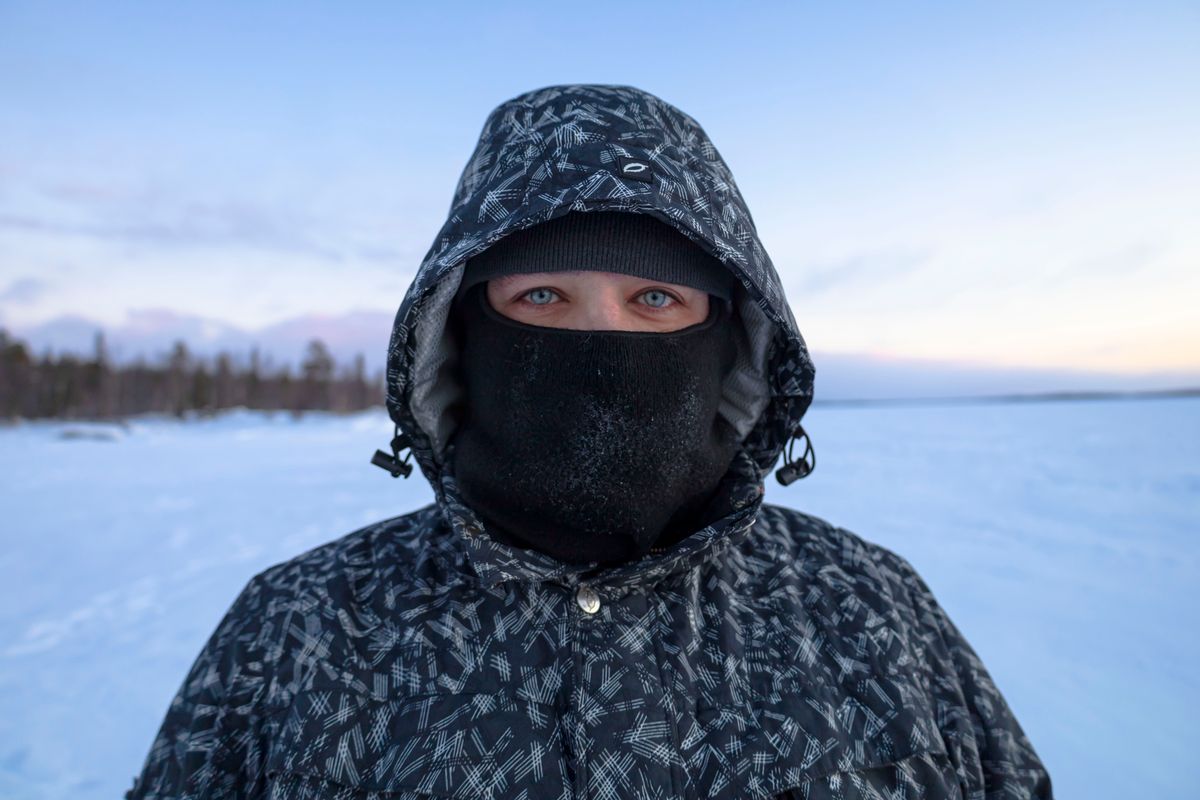
Photo: Pexels · Pexels License. Illustrative photograph of the subject; not a tested result, current condition report or endorsement. Display may crop the original.
Start with the outing's real demands
Ask how much of the evening is spent outdoors, whether you stand or walk, how far you are from warmth and whether return can happen early. Compare those answers with the forecast and the traveler's experience. A short managed viewing session near shelter differs from a long remote outing. Do not copy the clothing from a promotional portrait in which a coat was removed briefly for the photograph.
Use layers with distinct jobs
Choose a next-to-skin layer suitable for the activity, insulating layers and outer protection appropriate to wind and precipitation. Follow the activity provider's recommendations and garment instructions. Fit the layers together at home or during rental fitting rather than assuming each item works independently. A thick layer that compresses everything underneath or prevents movement can be less useful than a coherent system. Keep the ability to adjust before becoming sweaty during a walk.
Check boots with the socks you will wear
Try the footwear with the intended sock system and enough room for comfortable movement, following the supplier's fit guidance. Do not solve cold feet by forcing several layers into a boot that becomes too tight. Ask about the surface and whether the provider recommends any traction equipment, then use it according to instructions. Familiar city shoes and technical winter boots serve different purposes; choose for the actual outing rather than appearance.
Prepare hands for both warmth and tasks
Consider how you will use a phone, camera, zipper or ticket without leaving hands exposed for long periods. Test a suitable glove arrangement before the night, and keep spare dry items where the provider recommends. Do not let photography turn warm hands into an afterthought. If a control cannot be operated comfortably, simplify the setup. A few good photographs are more useful than a complicated plan that repeatedly requires removing protection.
Clarify rental and tour-provided equipment
Ask exactly which garments and boots are supplied, what sizes are available, when fitting occurs and what must be brought underneath. Confirm whether the equipment is available for the whole stay or only the booked activity. A rental collection point can close before a late flight arrives, so include it in the arrival plan. Keep a practical alternative if the fit is unsuitable; do not assume staff can instantly source every size at departure time.
Keep clothing dry between activities
Plan where damp outerwear and boots can dry at the lodging without violating property rules or garment care. Avoid beginning a long evening in items still wet from the daytime outing. Carry spare essentials as advised by the operator, and keep them accessible rather than buried in luggage. A slower afternoon can be valuable preparation if it allows food, drying and a calm clothing change before the group leaves.
Make warmth and return part of the plan
Know where the heated shelter or vehicle is and how the group returns. Tell the guide promptly if you are uncomfortable rather than waiting for a display to justify staying out. Follow the provider's instructions and seek appropriate help when needed. Do not treat cold tolerance as a competition. An outing that fits the group is better than a longer one endured solely because it was expensive or advertised as the ultimate experience.
Rehearse the complete system
Put on the full combination, walk, sit, bend and retrieve essential items. Check that children or companions can manage their own fastenings or have agreed help. Pack the evening bag with charged devices, required documents and any personal essentials. Remove unnecessary equipment that makes movement awkward. The finished system should support the activity comfortably; it is not a substitute for suitable conditions, responsible access and the willingness to end an attempt.
Your working checklist
Checkmarks stay in this browser when storage is available. They do not submit information or complete a purchase.
Put it into practice
- Ask about outdoor time, movement and shelter.
- Choose compatible layers for the actual forecast and activity.
- Fit boots with the intended socks.
- Test hand protection while using essential controls.
- Confirm supplied equipment and rental collection timing.
- Dry daytime clothing before the evening.
- Rehearse the full system and know how to return to warmth.
Before you finish
- All supplied equipment is confirmed in usable sizes.
- The outfit works while sitting and moving.
- No evening starts in avoidably damp essentials.
- Photography does not require prolonged unprotected hands.
Common questions
Can I wear my normal city winter coat?
It depends on the conditions, duration and the rest of the system. Ask the provider about the actual outing and assess your own experience. Standing still can require different preparation from a short urban walk.
Should I wear as many socks as possible?
Do not force layers into tight boots. Fit and the supplier's guidance matter. Test the intended combination and choose suitable footwear rather than assuming more material always improves comfort.
Do tour suits replace base layers?
Not necessarily. Ask what is supplied and what you must wear underneath. A provided outer garment is one part of the clothing system, not automatic preparation for every traveler.
What if I become too cold?
Tell the guide or responsible person promptly and follow the warming or return plan. Do not wait indefinitely for aurora or treat discomfort as a contest. Seek appropriate assistance when needed.