How to Read an Aurora Forecast Without Mistaking It for a Promise
An aurora forecast is a set of useful clues, not a reservation for colored sky. A high activity number can coincide with thick local cloud, while a modest display may be visible from a suitable dark location. This guide explains a cautious reading workflow using official meteorological information. It does not calculate your personal sighting probability or tell you to travel into unsuitable conditions because a map looks promising.
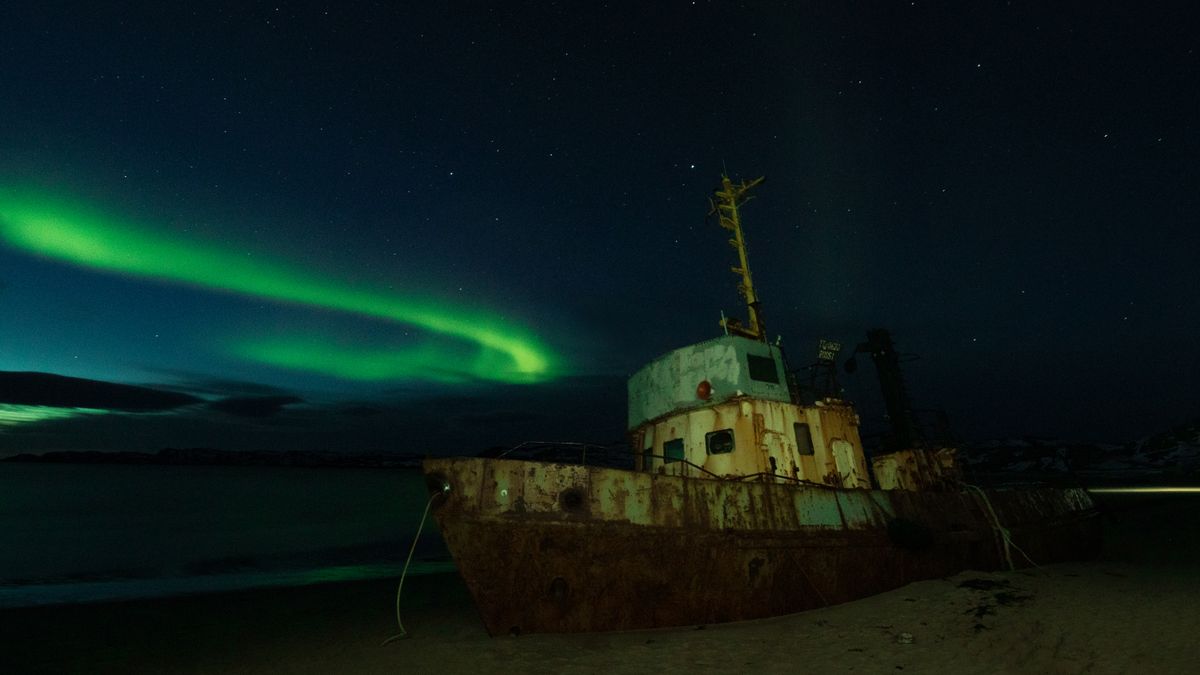
Photo: Pexels · Pexels License. Illustrative photograph of the subject; not a tested result, current condition report or endorsement. Display may crop the original.
Start with the provider and update time
Use the destination's official meteorological or space-weather service where available. Check when the forecast was issued and the period it covers. A screenshot shared yesterday can describe a different night or time zone. Note whether the display uses local time or another reference and read the page's own explanation. Do not compare numbers from different apps as though they necessarily use the same model, scale or valid period.
Locate the actual viewing area
A country-wide forecast is not the same as a forecast for the hotel or permitted viewing point. Find the relevant area and the time you could reasonably be there. Avoid choosing a distant clear-looking patch before checking roads, access and the return. The useful question is whether a suitable location available to you has promising conditions, not whether some part of a large region might have them.
Read cloud cover independently
Use the map's current legend and layer settings. Different colors and products can represent different things, so do not memorize a social-media rule that one color always means clear. Check the valid time as you move through the forecast. Cloud can change through the evening, and a gap does not guarantee an unobstructed view at a precise point. Treat the map as an aid to observation and operator decisions rather than a certainty.
Understand the activity indicator's limits
Read what the provider says the index measures and the geographic context in which it is useful. It is not a brightness meter for a particular window or a promise that an unaided eye will see vivid curtains. Do not turn a numerical threshold into a universal go-or-cancel rule. A responsible operator may consider several local conditions and practical constraints that are not represented by the single activity number on your phone.
Check ordinary weather and travel alerts
Wind, precipitation, visibility, road status and site access can determine whether an outing is appropriate independently of aurora activity. Read the relevant official travel warnings and follow closures and provider decisions. A favorable sky map does not override a road restriction or make a slippery shore suitable. If you are not equipped to assess independent travel, use an appropriate managed arrangement or stay with the local alternative.
Compare forecast with a simple observation
From a suitable permitted place, look at the sky and note whether stars or obvious cloud gaps are visible. This does not replace the forecast, but it helps avoid staring at an app while conditions outside change. Keep lighting considerate and allow time to observe comfortably. A camera can help record faint activity, but a colored exposure is not proof that every traveler saw the same intensity. Describe the observation honestly.
Set a practical decision window
Decide how long the group can comfortably remain out and when it will return to warmth. Keep the plan bounded by transport, clothing and fatigue, not by an endlessly refreshing forecast. If conditions deteriorate, use the return arrangement. A missed display is disappointing, but it is not a reason to extend an unsuitable outing indefinitely. Share the decision with companions so everyone understands when the attempt ends.
Keep expectations separate from records
Save the forecast date and time if you want to learn from the attempt, then record what actually happened. Distinguish cloud, activity and access in the notes rather than labeling the whole night simply good or bad. Do not publish a forecast screenshot later as though it proves a sighting. An honest log is useful for understanding the experience without inventing a success rate from a small number of personal nights.
Your working checklist
Checkmarks stay in this browser when storage is available. They do not submit information or complete a purchase.
Put it into practice
- Check the official provider, issue time and valid period.
- Locate the suitable viewing area you can actually reach.
- Read the cloud layer using its current legend.
- Interpret the activity indicator through the provider’s explanation.
- Check weather warnings, roads and access separately.
- Observe from an appropriate place and keep a return deadline.
- Record actual conditions without converting a forecast into a claimed sighting.
Before you finish
- The forecast is current for the intended time.
- Cloud and activity are treated separately.
- Travel alerts override a favorable sky map.
- No numerical threshold is presented as a guarantee.
Common questions
Does a high activity index guarantee aurora?
No. The indicator has a specific meaning and geographic context, while local cloud, darkness and access still matter. Read the provider's explanation and avoid treating one number as a personal prediction.
Which cloud-map color means clear?
Read the current legend on the specific product. Different providers and layers can use different conventions. A remembered color rule from another map may be wrong.
Should I drive to a clearer area?
Only after assessing official travel conditions, permitted access, the return and your actual ability. A forecast gap does not justify unsuitable winter driving or entering restricted terrain.
Can the forecast change during the evening?
Yes. Check updates, but keep a bounded practical plan rather than refreshing indefinitely. The group's warmth, transport and fatigue remain part of the decision even when conditions appear to improve.