Autumn or Late Winter for Northern Lights: Compare the Whole Trip
Autumn and late winter can both belong in Northern Lights planning, but they create different holidays. The useful comparison is not simply the number of dark hours. Consider the daylight activities you want, clothing needs, access, transport and the exact destination. This guide makes no percentage forecast or guarantee of snow. Use official tourism calendars and meteorological information for the place and dates you are considering.
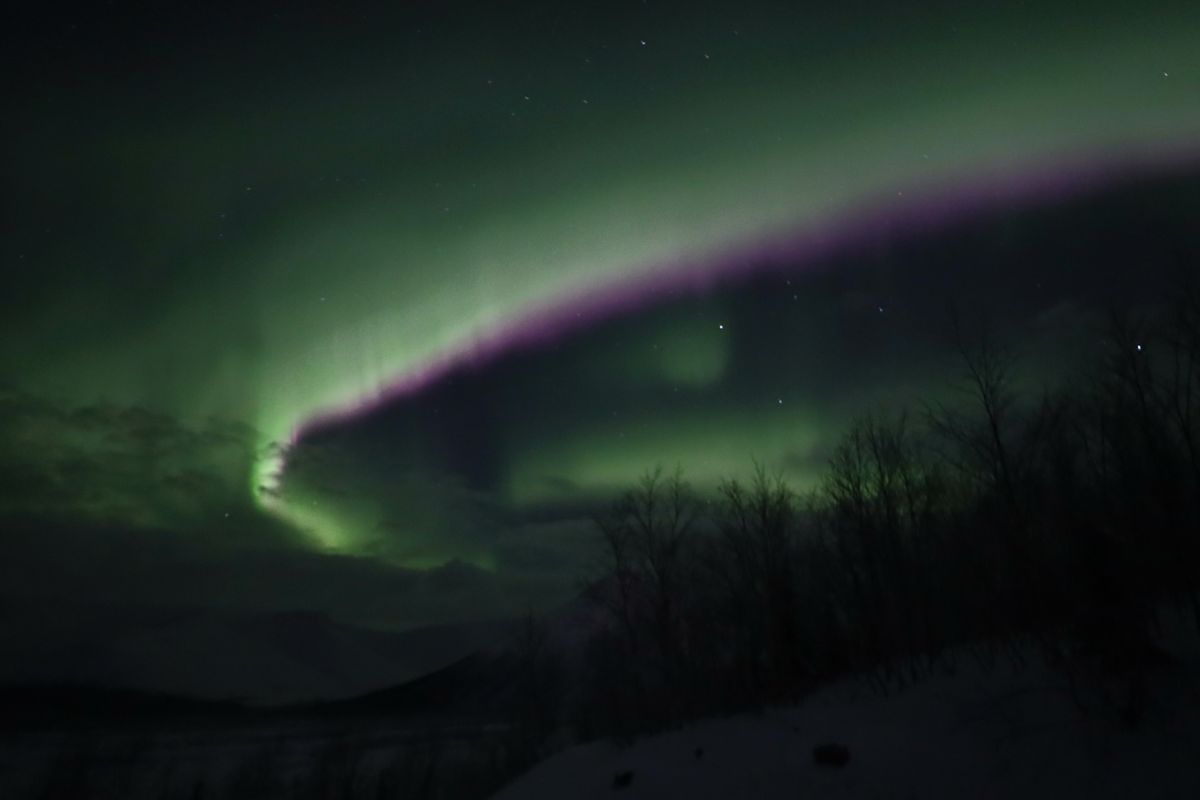
Photo: Pexels · Pexels License. Illustrative photograph of the subject; not a tested result, current condition report or endorsement. Display may crop the original.
Choose the daytime priority first
Write whether you want a snowy landscape, a particular managed winter activity, cultural visits or an autumn setting. If snow-dependent activities are central, check the provider's current season and conditions rather than assuming every dark month supports them. If the holiday is mainly about the sky, still include daytime interests that make the destination worthwhile. A clear explanation of the desired trip is more useful than a generic best-month ranking.
Compare the actual darkness window
Check the destination and date rather than applying one seasonal label across Norway, Sweden, Finland and Iceland. The usable evening window changes with latitude and season. More darkness can offer opportunity but does not remove cloud or create auroral activity on demand. Late winter may provide a different balance of day and night from midwinter. Write how that balance affects the activities and sleep schedule instead of treating longer darkness as automatically better.
Separate season from weather prediction
Historical climate and broad seasonal guidance can help with preparation, but they do not predict a particular week. Compare the kinds of weather that could disrupt your route and what alternatives exist. Do not assume an autumn road is always clear or a late-winter day always calm. Recheck official forecasts and travel alerts near departure. The route should be adaptable enough that the traveler does not need a specific forecast months in advance.
Inspect activity calendars and transport
Search the exact dates for flights, trains, transfers and the managed activities you want. A destination can be open while a particular service is seasonal. If the provider has not released a calendar, mark the activity provisional. Ask about shoulder-period arrangements rather than assuming winter clothing rental, restaurants or excursions operate unchanged. Include the final transfer and meals, not only the headline accommodation availability. Check whether the provider offers the same activity format during both candidate periods; a snow-dependent version and an autumn alternative may have different equipment, duration and meeting arrangements.
Compare clothing and luggage needs
Standing still at night requires preparation in any dark season. Ask the operator what it supplies and check sizes before deciding what to pack. Autumn may not require the same clothing system as a deep-winter stay, but rain and wind can still matter. Late winter may combine outdoor daytime activity with cold evening waiting. Pack according to the actual forecast and activity requirements rather than a promotional photograph of a lightly dressed traveler.
Evaluate the landscape you want to photograph
Autumn reflections and snowy winter scenes can be different creative goals, but neither is guaranteed by a date. Use photographs honestly as examples of a season, not promises of a specific frozen lake or snow cover. Keep photography secondary to permitted access and suitable conditions. Do not walk onto unfamiliar ice for a composition or enter dark terrain because it looked accessible in a daytime image.
Price complete candidate weeks
Compare accommodation, transfers, clothing rental and the selected activities for two or three actual weeks. Check local holiday demand and cancellation terms. Do not call an entire season cheaper without dated quotations. A lower room rate can be offset by fewer shared transfers or extra private transport. Record what remains provisional so an apparent bargain does not depend on services that have not confirmed their operating dates.
Choose the version you would enjoy without aurora
Imagine a cloudy stay in each candidate season. Which one still offers the scenery, culture, comfort and activity choices you want? Select that version, then preserve several suitable evening opportunities if feasible. Keep the first and last days flexible enough for transport. The season can improve the fit of a holiday; it cannot turn a natural display into an assured purchase.
Your working checklist
Checkmarks stay in this browser when storage is available. They do not submit information or complete a purchase.
Put it into practice
- Define the landscape and daytime activities you want.
- Compare darkness at the actual destination and dates.
- Check provider calendars and mark unpublished items provisional.
- Assess weather-related disruption and alternatives.
- Compare clothing and transport requirements.
- Price complete weeks using the same traveler assumptions.
- Choose the season that remains worthwhile under cloudy sky.
Before you finish
- Snow is not promised by a month name.
- Darkness is distinguished from activity and cloud.
- All prices come from dated quotations.
- The chosen season supports meaningful daytime interests.
Common questions
Is autumn better than winter for aurora?
There is no universal answer for every destination and traveler. Compare darkness, access, activities and the whole holiday. Conditions on the actual nights still determine whether a display is visible.
Can I guarantee snow in late winter?
Do not guarantee a particular surface or activity from the calendar alone. Check the destination's current conditions and provider decisions close to travel. Keep alternatives for weather-dependent experiences.
Should I choose the month with the longest nights?
Only if that also suits the rest of the trip. Very short daylight can limit outdoor sightseeing and affect the daily rhythm. More darkness does not guarantee clear sky or a visible display.
Are shoulder-season prices always lower?
No. Compare actual weeks, transport availability and included services. A cheaper room may require more costly transfers or offer fewer operating activities. Use complete totals rather than broad seasonal assumptions.